Don’t Risk It: Why Fire Extinguisher Testing & Inspection Could Save Your Life

When it comes to workplace safety, few tools are as crucial and as frequently overlooked as fire extinguishers. They’re placed in strategic locations, installed according to code, and then, far too often, forgotten. But when fire strikes, that small red cylinder becomes your first line of defence.

To ensure it works when needed, regular fire extinguisher testing in Melbourne is important. Here’s what you need to know to protect your business, staff, and visitors.

What Does a Fire Extinguisher Check Actually Involve?

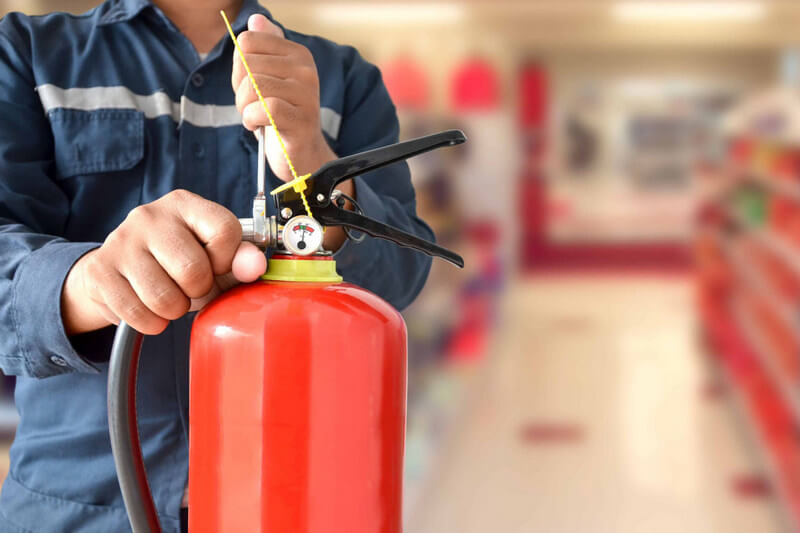
A fire extinguisher inspection isn’t just a glance at the gauge. It’s a detailed review to confirm the extinguisher is safe, operational, and ready for use. Trained professionals examine pressure levels, inspect for corrosion or damage, test the nozzle for blockage, and ensure safety pins and seals are intact.

As part of a fire extinguisher test and tag in Melbourne service, each extinguisher is physically tagged with the date of inspection and when the next check is due. This creates a clear service history and proves compliance with Australian fire safety regulations.

Why Those Little Tags Matter More Than You Think

The inspection tag attached to your fire extinguisher may look simple—but it’s one of your most important fire safety tools. It provides:

  • A visible record of service history
  • Proof of compliance with AS 1851
  • A quick reference for fire wardens and safety inspectors
  • Evidence that your business prioritises safety and maintenance

Without current tags, you could face penalties during audits or risk having faulty equipment during an emergency. It’s not just a sticker—it’s a safety stamp.

Is Fire Extinguisher Maintenance Legally Required?

In short—yes. Australian workplace safety standards require all portable fire extinguishers to be inspected every six months by a qualified technician. This rule is not optional; it’s essential under your duty of care as an employer or property manager.

Ignoring this could lead to serious consequences—legal liabilities, failed inspections, invalid insurance, or worse, preventable injury or death.

With a proper fire protection plan in place, you’re doing more than meeting compliance—you’re ensuring the safety of everyone on your premises.

How Frequently Should Fire Extinguishers Be Checked?

Inspections should occur every six months as part of a standard fire safety routine. However, additional checks might be necessary if:

  • The extinguisher is located in a high-risk environment
  • It’s been recently used or accidentally discharged
  • It shows signs of damage or wear

Aside from professional servicing, a quick visual check should be done monthly by someone on-site. These checks help spot potential issues early and keep your workplace safe between formal inspections.

A Quick DIY Safety Check in Just a Few Minutes

While full servicing must be carried out by professionals, a basic in-house check takes just minutes and can help catch obvious issues early. Here’s what to look for:

  1. Is the extinguisher visible and easy to access?
  2. Is the pressure gauge in the green zone?
  3. Is the pin secure and tamper seal intact?
  4. Are there signs of physical damage, rust, or leakage?
  5. Is the instruction label clear and readable?

If anything seems off, it’s time to call in the professionals. Never assume an extinguisher will work—know that it will.

Common Fire Extinguisher Issues and How to Fix Them

Over the years, our technicians have seen the same problems pop up again and again. Here are the top five—and what to do:

  1. Low or no pressure – Often due to slow leaks or old age. The unit will need recharging or replacing.
  2. Corrosion or damage – Rust or dents compromise integrity. Replace the unit immediately.
  3. Blocked nozzle – Dust or foreign objects can clog the outlet. Clean regularly and have it inspected.
  4. Missing pin or broken seal – Could result in accidental discharge. Never use; get it serviced.
  5. Out-dated servicing tags – Indicates it hasn’t been checked on schedule. Book a test and tag service ASAP.

Regular Fire extinguisher test and tag Melbourne services help catch and correct these issues before they become dangerous.

Don’t Leave It to Chance—Act Now

An unchecked fire extinguisher may look fine—but when it fails in an emergency, the outcome can be devastating. Regular testing ensures your equipment performs when it matters most.

Why worry when you have the experts to take care of it?

Trust Australia Fire Protection for reliable, fully certified fire extinguisher inspections, testing, and maintenance across Melbourne.

Call 1300 475 715 today to schedule your next service or request a free fire safety assessment.
Beginner’s Guide to Fire Extinguisher Rules in Australia

Fire safety is one of the crucial aspects of managing a commercial space in Australia, ensuring the well-being of individuals and the protection of property. Among the various measures for ensuring safety, understanding and implementing proper fire extinguisher use and maintenance is key. This comprehensive guide aims to introduce beginners to the fundamental rules and best practices for fire extinguishers, emphasising the importance of fire protection in Melbourne.

Importance of Fire Extinguishers in Fire Protection

Fire extinguishers are your first line of defense against the early stages of a fire. Different types of extinguishers are designed to handle various types of fires, including electrical, combustible fluids and ordinary combustibles. Each class requires specific handling and extinguishing agents. So, choosing the right type of fire extinguisher for your premises is crucial to effectively managing emergencies.

Compliance and Legal Requirements

In Australia, the installation and maintenance of fire extinguishers are governed by strict regulations. According to the Australian Standard (AS) 2444, guidelines for the selection and location of fire extinguishers, as well as AS 1851 for routine service of fire protection systems and equipment, must be rigorously followed. Compliance not only ensures legal safety but also enhances the functionality and readiness of fire safety equipment.

Fire Extinguisher Test and Tag in Melbourne

Regular testing and tagging of fire extinguishers are critical for maintaining fire safety equipment in optimal working condition. This process involves physical inspection, ensuring correct pressure levels, and checking for damages or obstructions that might impede the extinguisher’s operation. Specialised services provide fire extinguisher test and tag in Melbourne, ensuring that all units meet the current safety standards and are ready to function effectively in case of an emergency.

Choosing the Right Fire Extinguisher

Selecting the correct fire extinguisher involves understanding the potential fire risks associated with your environment. Here are the common types of fire extinguishers:

  • Water Extinguishers: Best for paper, wood, and fabric fires.
  • Foam Extinguishers: Effective on liquid fires, such as oil and petrol, as well as solids.
  • Dry Powder Extinguishers: Suitable for flammable gases and electrical fires.
  • Carbon Dioxide (CO2) Extinguishers: Ideal for electrical fires and liquid flammables.
  • Wet Chemical Extinguishers: Specifically designed for cooking oil/fat fires.

The selection process should be guided by a thorough risk assessment of the premises to ensure that the chosen extinguisher types align with the potential hazards.

Fire Extinguisher Test and Tag Melbourne

Placement and Signage

Proper placement of fire extinguishers is just as important as having the right type. Extinguishers should be easily accessible, mounted on walls with clear signage, and never blocked or hidden. Signs should indicate the type of fire extinguisher and its uses, which enhances ease of use during emergencies.

Fire Extinguisher Training in Melbourne

Knowledge and training are crucial in fire safety management. Fire extinguisher training in Melbourne equips individuals with the knowledge and skills to operate extinguishers effectively. Training sessions typically cover the types of fires, appropriate extinguishers and hands-on practice in using them safely and effectively. Regular training ensures that everyone knows how to act swiftly and confidently in the event of a fire.

Maintenance and Regular Checks

Routine maintenance of fire extinguishers is vital. This includes monthly checks by the assigned safety officer and annual servicing by a professional to handle complex issues such as recharging and repairing. Documenting each inspection and maintenance activity is essential for compliance and operational readiness.

Understanding the rules and best practices for fire extinguishers is vital for ensuring safety in any Australian workplace. Australia Fire Protection (AFP Groups) enhances this safety with a comprehensive range of passive and active fire protection services. Specialising in the design, installation and servicing of all fire protection and essential services, AFP Groups stands as a complete one-stop fire safety company.

By integrating our strategies, such as proper selection, placement, regular test and tag, and comprehensive training, businesses can safeguard their employees and assets against the threat of fires, ensuring a compliant, secure and well-prepared environment. For any question you may have about our fire protection services, call 1300 475 715 and talk to us today.