Avoid the Zap: Electrical Test and Tag Tips Every Business Should Know

Electricity powers our businesses, but when left unchecked, it can also pose serious safety risks. Faulty electrical equipment leads to fires, workplace accidents, and equipment failure. Implementing proper procedures for electrical test tag in Melbourne is merely crucial not just for regulatory but also to safeguard people, property, and workplace efficiency.

Why Test and Tag Shouldn’t Be Overlooked

Too many businesses assume that because equipment is working, it’s safe. Unfortunately, that’s not always the case. Electrical faults often develop slowly and silently. Damaged cables, worn-out plugs, and internal wiring issues might not stop your appliance from functioning—but they can become ticking time bombs.

Electrical Test Tag involves both visual inspections and electrical tests to verify the safety of portable appliances. The process helps identify:

  • Damaged leads or plugs
  • Earth faults
  • Insulation resistance issues
  • Equipment not meeting Australian Standards

Regular testing prevents injury, legal risk, and downtime. More importantly, it protects your people.

Tip 1: Know Your Testing Schedule

Not every appliance needs the same test frequency. The environment and equipment type determine how often you need to perform test and tag.

Here’s a general guide based on Australian Standard AS/NZS 3760:

  • Construction, demolition, or mining – every 3 months
  • Factories, warehouses, and workshops – every 6 months
  • Office environments – every 12 months
  • Low-risk environments (schools, homes, etc.) – every 2 years

Use a testing log or software to schedule upcoming checks. Having an organised record helps during inspections and avoids missing any due dates.

Tip 2: Assign Responsibility

The responsibility for workplace electrical safety doesn’t fall on one person alone—but having a designated safety officer or facilities manager overseeing the Electrical Test Tag process is essential.

This individual should be in charge of:

  • Coordinating with qualified testing technicians
  • Keeping test and tag records updated
  • Ensuring defective items are removed from use
  • Liaising with safety auditors and compliance officers

Having a clear point of contact streamlines compliance and avoids confusion when inspections arise.

Tip 3: Remove Faulty Equipment Immediately

If an appliance fails its test, it must be clearly tagged “out of service” and physically removed from the work area. Leaving unsafe equipment plugged in can result in electrical shock, fire, or non-compliance penalties.

Never attempt DIY repairs unless you’re a qualified technician. Arrange for certified repairs or replacements to be made as soon as possible.

Prompt removal of faulty items demonstrates a strong commitment to workplace safety—and protects staff from harm.

Tip 4: Understand Test and Tag Labelling

Each time an appliance is tested, it receives a tag showing:

  • The date of testing
  • The technician or company who conducted the test
  • The next scheduled test date
  • Pass or fail status

These labels must remain clearly visible. Faded, torn, or missing tags could invalidate the test—even if the appliance was checked recently.

Use durable, colour-coded tags to make identifying upcoming test cycles easier. For example, some workplaces use a different tag colour for each quarter or year.

Tip 5: Integrate with Your Evacuation Plan

Electrical safety and emergency planning go hand-in-hand. Appliances that short-circuit or overheat can easily become ignition sources. That’s why evacuation diagram placement and fire safety planning should be updated alongside electrical equipment audits.

Your evacuation diagram should clearly show:

  • Fire extinguisher locations
  • Fire exits and assembly points
  • Power shutoff switches
  • First aid kits and safety gear
  • Areas with high electrical appliance density (e.g., server rooms, kitchens)

Regular reviews of both your electrical test records and your evacuation plan ensure they work together in an emergency situation.

Tip 6: Choose a Qualified Provider

While anyone can do a quick visual check, formal test and tag services must be carried out by someone deemed a competent person—which typically means a licensed electrician or someone with recognised test and tag training.

A good provider will:

  • Use a certified Portable Appliance Tester (PAT)
  • Follow AS/NZS 3760 standards
  • Provide digital or physical compliance reports
  • Help establish or maintain your asset register

Avoid cheap, rushed services that skip steps. Electrical testing isn’t something to cut corners on—your business’s safety depends on it.

Tip 7: Include New Equipment in Your Register

All new equipment brought into the workplace must be added to your test and tag register. Even brand-new appliances should be visually inspected and tested before use—especially if they’ve travelled during shipping or installation.

Create a simple process for onboarding electrical equipment, including:

  • Inspection before first use
  • Tagging and adding to the register
  • Scheduling its first formal test based on the workplace risk level

This prevents unsafe equipment from slipping through the cracks and helps maintain full compliance.

Tip 8: Use Test and Tag to Strengthen Safety Culture

Electrical Test Tag isn’t just about compliance—it’s a chance to reinforce your organisation’s safety-first mindset. Involving staff in safety briefings, training sessions, and awareness campaigns makes the process more meaningful.

Encourage employees to:

  • Report signs of frayed cords or overheating
  • Understand the significance of test tags
  • Take part in fire training and evacuation drills
  • Know where electrical shutoffs and fire extinguishers are located

When safety becomes part of your team’s daily thinking, it’s far easier to stay compliant and reduce risks long-term.

In today’s high-tech workspaces, electrical safety should never be an afterthought. Regular Electrical Test Tag services not only protect your equipment—they safeguard your team, reduce downtime, and ensure legal compliance. And when paired with accurate evacuation diagrams and clear safety protocols, you’re building a workplace that’s ready for anything.

Don’t leave your safety to chance—get ahead of the risk before it sparks a problem.
Trust the experts at Australia Fire Protection to handle all your test and tag requirements, safety assessments, and compliance needs.

📞 Call 1300 475 715 today or visit our Google Business profile to book your service, read reviews, or get in touch with our team.
Don’t Wait for Flames: Proactive Fire Risk Management for Modern Buildings

Modern buildings may be equipped with advanced systems and sleek architecture, but that doesn’t make them immune to fire hazards. In fact, with an increasing reliance on electronics, climate control systems, and high-density occupancy, the potential fire risks have only grown. That’s why fire risk management in Melbourne is no longer optional—it’s essential.

From offices and commercial buildings to high-rise apartments and public infrastructure, proactive fire safety planning plays a critical role in protecting lives, assets, and operations.

Why Fire Risk Management Matters More Than Ever

It’s a common misconception that modern buildings are automatically safer. While fire-resistant materials and automated detection systems certainly help, they cannot replace human preparedness and planning. Fires in commercial and residential buildings often result from overlooked risks—like faulty wiring, overloaded power boards, neglected maintenance, or lack of staff training.

Fire risk management is about identifying, evaluating, and controlling these risks before they escalate. It involves both physical equipment and procedural strategies, combining compliance with Australian standards and real-world preparedness.

Failing to manage fire risks properly can lead to:

  • Injury or loss of life
  • Structural and asset damage
  • Legal penalties and insurance complications
  • Operational downtime and business disruption

Step 1: Conducting a Fire Risk Assessment

The first and most crucial step in proactive fire management is a thorough fire risk assessment. This process involves:

  • Identifying potential ignition sources (e.g., electrical faults, flammable materials)
  • Assessing who is at risk (staff, visitors, tenants)
  • Evaluating existing fire safety measures
  • Identifying gaps or non-compliance
  • Developing a risk control plan

Assessments should be carried out regularly and updated when there are changes to building usage, occupancy levels, or internal layouts. High-traffic areas, kitchens, plant rooms, and storage areas should receive particular attention.

Step 2: Choosing the Right Equipment for Your Building

No two buildings are the same—and neither are their fire safety needs. Modern buildings require a customised approach when it comes to fire safety equipment. This includes:

  • Smoke detectors and fire alarms
  • Sprinkler and suppression systems
  • Exit signage and emergency lighting
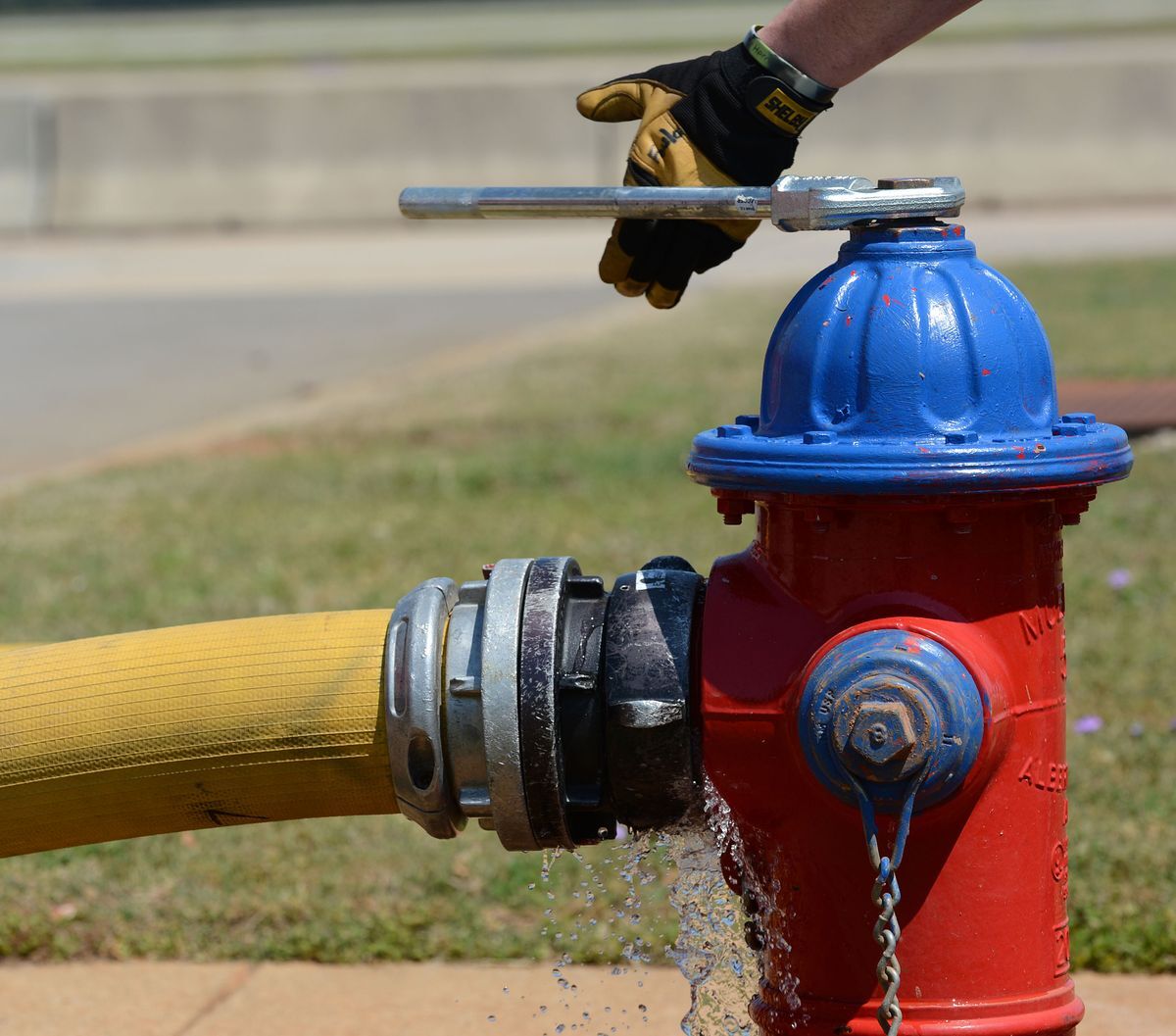
  • Fire extinguishers, hose reels, and hydrants

Placement, quantity, and type of equipment must align with your building’s structure and risk profile. For instance, high-rise buildings may require pressurised stairwells and smoke exhaust systems, while commercial kitchens must be fitted with wet chemical extinguishers.

Step 3: Train Your People, Not Just Your Systems

The most advanced fire system is only as effective as the people responding to it. That’s why fire safety training in Melbourne is a vital part of any risk management plan. It empowers staff and building occupants with the knowledge and confidence to act swiftly and correctly in the event of a fire.

Essential training topics include:

  • How to operate different types of fire extinguishers
  • How to raise an alarm and initiate evacuation
  • Roles and responsibilities of fire wardens
  • Safe use of fire blankets and hose reels
  • Emergency evacuation drills

Regular fire training helps reinforce procedures and ensures everyone knows what to do—even under pressure.

Step 4: Maintain, Inspect, Repeat

It’s not enough to install fire safety equipment—you need to maintain it. Over time, batteries fail, extinguishers lose pressure, and alarms may develop faults. Regular maintenance ensures all systems are operational when needed.

Australian Standard AS 1851 outlines the inspection and maintenance intervals for:

  • Fire extinguishers (every 6 months)
  • Smoke detectors and alarms
  • Emergency lighting and exit signs
  • Fire panels and suppression systems

Building managers should partner with licensed professionals to conduct inspections and keep detailed records of servicing. These records also serve as proof of compliance during audits or insurance claims.

Step 5: Develop a Fire Emergency Response Plan

A written and well-communicated fire emergency response plan is the foundation of effective fire risk management. It outlines:

  • Evacuation procedures and assembly points
  • Roles of fire wardens and first responders
  • Communication protocols during emergencies
  • Building maps showing exits and equipment locations
  • Emergency contacts and escalation paths

Ensure this plan is easily accessible to staff, tenants, and visitors. Emergency drills should be conducted at least once or twice a year, depending on your building type and occupancy.

Emerging Considerations for 2025 and Beyond

As we move further into the digital age, fire safety is also evolving. In 2025, modern buildings should also consider:

  • Smart fire detection systems that can send instant alerts to mobile devices
  • Cloud-based monitoring of alarms, detectors, and equipment status
  • Eco-friendly suppression systems that protect both people and sensitive electronics
  • AI-driven risk analytics that can help predict fire risk zones based on usage and equipment age

These technologies offer advanced protection but must be implemented alongside the basics—strong planning, trained people, and proper maintenance.

Prevention is Always Better than Reaction

Waiting for a fire to occur before taking action is not a strategy—it’s a gamble. The cost of proactive fire risk management is a fraction of the damage, loss, and liability that comes from being unprepared.

Whether you manage a commercial tower, residential complex, industrial facility, or mixed-use building, fire safety should be an ongoing priority—not an afterthought.

Don’t Wait Until It’s Too Late

At Australia Fire Protection, we help building owners and managers take a proactive, personalised approach to fire safety. From expert risk assessments to hands-on fire training, we deliver the tools, knowledge, and support you need to safeguard your people and your property.

Call us today on 1300 475 715 or visit our Google Business Profile to learn more, read reviews, or book your fire safety service.

Choosing Fire Fighting Equipment in Australia: Expert Tips for 2025

When it comes to fire safety, choosing the right fire fighting equipment in Melbourne is more than just a compliance requirement—it’s a commitment to protecting lives, property, and operations. With advances in technology, stricter Australian Standards, and the rising importance of tailored safety solutions, 2025 is the year businesses and property owners need to get serious about their fire protection strategy.

Whether you’re a facility manager, small business owner, or managing residential properties, understanding the different types of equipment and how they should be used is crucial to building a safe and compliant space.

Why the Right Equipment Matters

In an emergency, having the wrong fire fighting tool is almost as dangerous as having none at all. Different types of fires require different suppression methods. Using the wrong one not only fails to extinguish the fire but could make it worse.

For example, water-based extinguishers are ineffective—and dangerous—on electrical fires. CO₂ extinguishers, while great for electrical fires, are unsuitable for paper or fabric fires. In 2025, the focus is not just on having equipment, but on having the right equipment for the right fire risk.

Know Your Fire Classes (And Match Equipment Accordingly)

Australia classifies fires into six major categories. Selecting equipment based on the type of fire it is designed to suppress is the first step toward safe and effective fire response:

  • Class A: Combustibles like wood, paper, textiles
  • Class B: Flammable liquids (petrol, paint, oil)
  • Class C: Flammable gases
  • Class D: Combustible metals
  • Class E: Electrical fires
  • Class F: Cooking oils and fats (kitchens)

Here’s a quick equipment match-up:

  • Class A fires (ordinary combustibles like wood, paper, textiles) are best controlled using water, foam, or wet chemical extinguishers.
  • Class B fires (flammable liquids) are effectively tackled with foam or dry chemical extinguishers.
  • Class C fires (flammable gases) should be extinguished with dry chemical extinguishers.
  • Class D fires (combustible metals) require specialised dry powder extinguishers.
  • Class E fires (electrical equipment) are best handled with CO₂ or dry chemical extinguishers.
  • Class F fires (cooking oils and fats) should be extinguished using wet chemical extinguishers.

Understanding these pairings is essential in 2025, especially as modern businesses become more tech-driven and carry a mix of fire risks under one roof.

Fire Extinguishers: Still the First Line of Defence

Fire extinguishers remain one of the most important tools in any fire safety plan. But having them is not enough—they must be:

  • Correctly placed (within 15 metres of risk areas)
  • Regularly serviced (every 6 months as per AS 1851)
  • Suited to the type of fire risk on site

Incorporating fire extinguisher training for employees is equally important. The best equipment in the world is ineffective if staff don’t know how—or when—to use it. Practical training in 2025 focuses on real-world simulations, hands-on experience, and tailored content specific to the site and job roles.

Fire Blankets, Hose Reels & Hydrants: Know Their Role

Beyond extinguishers, other equipment like fire blankets, hose reels, and hydrants play a critical role in overall fire response.

  • Fire Blankets are ideal for Class F fires—most commonly in kitchens. Every commercial kitchen in Australia should have at least one blanket, installed and tagged as required.
  • Hose Reels are typically connected to a constant water supply and are useful for Class A fires. They require minimal training to use but are not suitable for live electrical fires.
  • Hydrants and Boosters are for use by fire brigades but must be regularly maintained and clearly marked for fast access in an emergency.

As workplaces grow more complex, having a well-integrated system of firefighting tools becomes even more essential.

Smart Fire Detection & Suppression Systems

In 2025, fire safety goes well beyond manual tools. Many commercial and industrial settings now utilise smart detection and suppression systems such as:

  • Automatic sprinkler systems
  • Smoke and heat detectors
  • Fire panels connected to monitoring centres
  • Gas suppression systems for data centres or server rooms

Choosing the right equipment in these cases often requires professional assessment. Factors like ceiling height, building layout, type of occupancy, and potential fire load must be evaluated.

If you’re upgrading or building a new site, consulting with a fire safety expert can ensure your system complies with current standards and is tailored to your specific risk profile.

Don’t Forget Regular Maintenance

The best fire fighting equipment is only effective if it’s regularly inspected, tested, and maintained. Australian Standards (such as AS 1851) outline strict service schedules for:

  • Fire extinguishers
  • Fire hose reels
  • Fire blankets
  • Sprinkler and hydrant systems
  • Fire detection and alarm panels

These standards are enforced through annual fire safety statements, building audits, and insurance requirements. Failure to comply can result in hefty fines—or worse, loss of life during a preventable incident.

A good maintenance provider will offer scheduled servicing, reminders, logbooks, and prompt reporting of any defects.

Tailoring Equipment to Your Industry or Site Type

In 2025, one-size-fits-all doesn’t apply to fire protection. Every environment comes with unique challenges:

  • Hospitality venues need fast-access extinguishers and kitchen-specific blankets.
  • Construction sites face constant change, requiring portable and flexible setups.
  • Warehouses may need high-pressure hose reels and sprinklers due to large fire loads.
  • Offices require discreet but effective solutions for electrical fires and staff safety.
  • Healthcare must balance protection with patient safety and operational sensitivity.

An expert fire safety provider can audit your site and recommend the most effective configuration, ensuring you get value and safety in one package.

Gear Up for 2025 — Don’t Let Fire Safety Fall Behind

In today’s fast-moving world, fire risks evolve—but so can your readiness. The right fire fighting equipment doesn’t just tick a compliance box. It stands between a minor scare and a major disaster. From extinguishers to training, blankets to boosters, every choice you make now could mean everything when seconds count.

Make 2025 the year you stop guessing and start protecting.

Let Australia Fire Protection help you choose smart, act fast, and stay compliant with expert advice, top-tier products, and tailored fire extinguisher training programs for your team.

Call 1300 475 715 today — because safety isn’t just a regulation, it’s your responsibility.

Or visit us on Google Business Profile to read reviews, see our services, or get directions to your nearest expert.

Avoiding Electrical Hazards: Best Practices for Regular Testing

In any workplace, safety should always come first. While most businesses are diligent about fire safety, manual handling, and chemical hazards, one area often overlooked is electrical safety. Faulty appliances, worn-out cords, or out-dated electrical systems can pose serious risks—leading to fire, injury or even fatal accidents.

Regular testing and tagging of electrical equipment play a vital role in maintaining a safe environment. Whether you’re operating in an office, workshop, warehouse, or hospitality venue, being proactive with electrical safety can prevent disasters before they happen. At the heart of this process is fire protection, and electrical compliance is an essential component of it.

Understanding Electrical Hazards in the Workplace

Electrical hazards don’t always come with visible signs. A machine may work perfectly fine on the surface while harbouring worn cables, loose connections, or internal faults. These hidden dangers can cause:

  • Electric shocks
  • Equipment failure
  • Fires due to overheating
  • Downtime and costly repairs
  • Workplace injuries and legal liabilities

Identifying and eliminating these risks early through structured inspection and maintenance is key to a safe, compliant workplace.

What is Electrical Testing and Tagging?

Electrical test and tag in Melbourne is a safety procedure that involves inspecting and testing all portable electrical appliances in the workplace. It ensures they meet national safety standards (AS/NZS 3760:2022) and are safe to use.

The process includes:

  • Visual inspection to check for wear, damage, and loose parts
  • Electrical testing using a Portable Appliance Tester (PAT)
  • Tagging with a label that displays the test date, next due date, and technician’s details

Once completed, each item is certified as safe or marked for repair or replacement. This provides a clear, trackable safety record.

Why Regular Testing Matters More Than You Think

While an appliance may look and feel safe, issues often go undetected without proper equipment. Routine test and tag in Melbourne allows businesses to:

  • Reduce the risk of electrical fires
  • Minimise employee exposure to faulty equipment
  • Stay compliant with OH&S and Work Safe regulations
  • Avoid insurance complications in the event of an incident
  • Build a culture of safety in the workplace

Many insurance providers now require evidence of regular electrical testing as part of their fire and safety policies. Skipping it could invalidate your coverage.

Frequency of Testing: How Often Should It Be Done?

The frequency of testing and tagging depends on the environment and level of risk. Here’s a general guideline based on Australian safety standards:

  • Construction, mining, demolition – every 3 months
  • Factories and warehouses – every 6 months
  • Offices, retail, classrooms – every 12 months
  • Low-risk residential settings – every 2 years

High-traffic and high-use environments may require more frequent checks. A qualified technician can help assess your workplace and set up an appropriate schedule.

Common Issues Found During Test and Tag

When performing electrical test and tag in Melbourne, there are several common issues that technicians frequently encounter:

  1. Damaged power cords or plugs – frayed or exposed wires are a serious hazard.
  2. Overloaded power boards – can cause overheating and fire.
  3. Incorrect fuse ratings or modified plugs – can lead to system failure.
  4. Appliances without grounding (earthing) – higher shock risk.
  5. Out-of-date testing records – non-compliance and missed defects.

Finding these issues early allows for fast action before they turn into bigger problems.

Best Practices for a Safer Workplace

Following a few key practices can dramatically reduce the risk of electrical hazards:

  • Create an appliance register to track testing schedules
  • Label all tested items clearly with pass/fail status and next due date
  • Immediately remove unsafe appliances from use
  • Train employees to spot and report signs of wear or fault
  • Engage certified professionals for all testing, tagging, and repairs
  • Schedule testing during off-peak hours to reduce downtime

A proactive approach to safety doesn’t just protect your team—it also boosts productivity and peace of mind.

Who Should Perform the Test and Tag?

Testing and tagging must be carried out by someone deemed a “competent person” as defined by Australian standards. This usually means a licensed electrician or a certified technician who has completed a recognised training course.

DIY or in-house testing without proper training can lead to incomplete inspections, overlooked hazards, and non-compliance. That’s why businesses trust professionals to carry out test and tag in Melbourne services thoroughly and reliably.

Integrating Electrical Testing into Your Fire Safety Plan

Many fires in commercial settings start with electrical faults—overloaded circuits, damaged cords, or faulty appliances. Ensuring your electrical systems are in top condition is not just about preventing shocks; it’s about fire prevention too.

As part of your broader fire protection strategy, regular test and tag procedures complement other safety measures such as:

  • Fire extinguisher inspections
  • Smoke alarm testing
  • Emergency lighting maintenance
  • Evacuation planning

Together, these measures form a comprehensive defence against workplace hazards.

Stay Safe. Stay Compliant. Stay Switched On

Electrical hazards may be silent, but the damage they cause can be devastating. Through regular inspection, testing, and proactive maintenance, businesses can protect their people, property, and operations from unexpected threats.

Don’t wait for a fault to reveal itself when it’s too late.

Why worry when you have the experts to take care of it? Partner with Australia Fire Protection for professional, reliable Electrical Test and Tag services. Our experienced team helps you stay compliant, minimise risks, and create a safer workplace.

Call 1300 475 715 today to schedule your next test and tag service or request a full fire safety audit.

Don’t Risk It: Why Fire Extinguisher Testing & Inspection Could Save Your Life

When it comes to workplace safety, few tools are as crucial and as frequently overlooked as fire extinguishers. They’re placed in strategic locations, installed according to code, and then, far too often, forgotten. But when fire strikes, that small red cylinder becomes your first line of defence.

To ensure it works when needed, regular fire extinguisher testing in Melbourne is important. Here’s what you need to know to protect your business, staff, and visitors.

What Does a Fire Extinguisher Check Actually Involve?

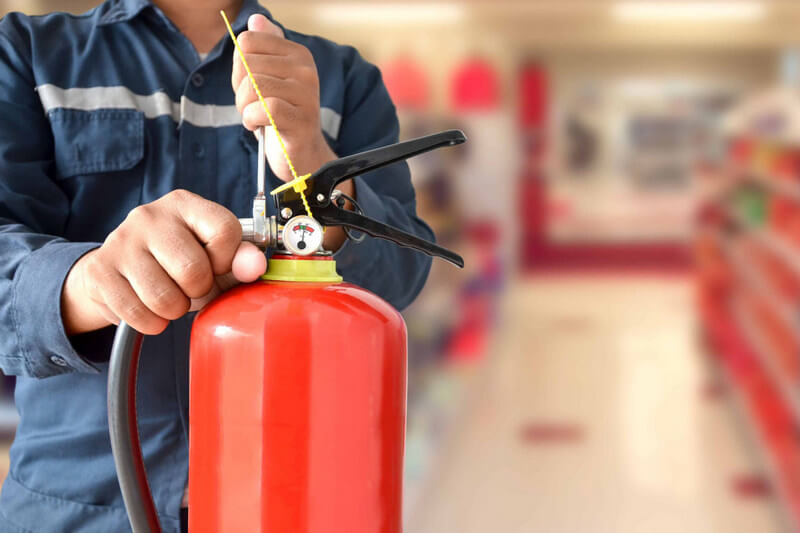
A fire extinguisher inspection isn’t just a glance at the gauge. It’s a detailed review to confirm the extinguisher is safe, operational, and ready for use. Trained professionals examine pressure levels, inspect for corrosion or damage, test the nozzle for blockage, and ensure safety pins and seals are intact.

As part of a fire extinguisher test and tag in Melbourne service, each extinguisher is physically tagged with the date of inspection and when the next check is due. This creates a clear service history and proves compliance with Australian fire safety regulations.

Why Those Little Tags Matter More Than You Think

The inspection tag attached to your fire extinguisher may look simple—but it’s one of your most important fire safety tools. It provides:

  • A visible record of service history
  • Proof of compliance with AS 1851
  • A quick reference for fire wardens and safety inspectors
  • Evidence that your business prioritises safety and maintenance

Without current tags, you could face penalties during audits or risk having faulty equipment during an emergency. It’s not just a sticker—it’s a safety stamp.

Is Fire Extinguisher Maintenance Legally Required?

In short—yes. Australian workplace safety standards require all portable fire extinguishers to be inspected every six months by a qualified technician. This rule is not optional; it’s essential under your duty of care as an employer or property manager.

Ignoring this could lead to serious consequences—legal liabilities, failed inspections, invalid insurance, or worse, preventable injury or death.

With a proper fire protection plan in place, you’re doing more than meeting compliance—you’re ensuring the safety of everyone on your premises.

How Frequently Should Fire Extinguishers Be Checked?

Inspections should occur every six months as part of a standard fire safety routine. However, additional checks might be necessary if:

  • The extinguisher is located in a high-risk environment
  • It’s been recently used or accidentally discharged
  • It shows signs of damage or wear

Aside from professional servicing, a quick visual check should be done monthly by someone on-site. These checks help spot potential issues early and keep your workplace safe between formal inspections.

A Quick DIY Safety Check in Just a Few Minutes

While full servicing must be carried out by professionals, a basic in-house check takes just minutes and can help catch obvious issues early. Here’s what to look for:

  1. Is the extinguisher visible and easy to access?
  2. Is the pressure gauge in the green zone?
  3. Is the pin secure and tamper seal intact?
  4. Are there signs of physical damage, rust, or leakage?
  5. Is the instruction label clear and readable?

If anything seems off, it’s time to call in the professionals. Never assume an extinguisher will work—know that it will.

Common Fire Extinguisher Issues and How to Fix Them

Over the years, our technicians have seen the same problems pop up again and again. Here are the top five—and what to do:

  1. Low or no pressure – Often due to slow leaks or old age. The unit will need recharging or replacing.
  2. Corrosion or damage – Rust or dents compromise integrity. Replace the unit immediately.
  3. Blocked nozzle – Dust or foreign objects can clog the outlet. Clean regularly and have it inspected.
  4. Missing pin or broken seal – Could result in accidental discharge. Never use; get it serviced.
  5. Out-dated servicing tags – Indicates it hasn’t been checked on schedule. Book a test and tag service ASAP.

Regular Fire extinguisher test and tag Melbourne services help catch and correct these issues before they become dangerous.

Don’t Leave It to Chance—Act Now

An unchecked fire extinguisher may look fine—but when it fails in an emergency, the outcome can be devastating. Regular testing ensures your equipment performs when it matters most.

Why worry when you have the experts to take care of it?

Trust Australia Fire Protection for reliable, fully certified fire extinguisher inspections, testing, and maintenance across Melbourne.

Call 1300 475 715 today to schedule your next service or request a free fire safety assessment.

Why Emergency Lighting Maintenance Is Critical For Workplace Safety

Safety forms the foundation of every workplace and protects both people and property. One safety feature that often goes unnoticed until it’s urgently needed is emergency lighting. In the event of a power outage, fire, or emergency evacuation, emergency lighting becomes essential for guiding people to safety.

Incorporating emergency lighting maintenance into your safety procedures is more than a checkbox exercise—it’s an essential component of fire protection in Australia requirements. From warehouses to offices, aged care homes to retail spaces, having a reliable, well-maintained system isn’t optional—it’s lifesaving.

It’s a Legal Requirement in Australia

Workplace safety laws in Australia are clear: emergency and exit lighting must be tested and maintained according to AS 2293 standards. This involves checking functionality, testing how long the lights operate, and evaluating battery performance.

Businesses are legally required to perform a 90-minute discharge test every six months. This ensures the system can stay illuminated long enough during an emergency. A commonly performed exit emergency lighting test in Melbourne helps ensure lighting continues to meet these safety obligations.

Keeping your system well-maintained also means staying compliant. Neglecting it could lead to fines, legal liabilities, or even operational shutdowns after an inspection.

Minimising Risk and Preventing Failures

Just like smoke alarms or fire extinguishers, emergency lights can fail without warning if not properly maintained. Over time, batteries can weaken, light fittings may deteriorate and electrical issues can affect the system’s reliability. Unfortunately, most of these issues go unnoticed until the lights are needed the most.

Routine maintenance reduces the risk of failure when it matters most. Trained professionals can identify weak batteries, test lighting duration, check brightness levels, and ensure signs are clearly visible. This helps avoid people being left in the dark during emergencies

A properly functioning system provides confidence. Staff and visitors can move quickly and safely, and emergency responders can operate more efficiently.

Helping People Evacuate Safely

When a building loses power or fills with smoke, disorientation and panic are natural reactions. Emergency lighting cuts through the darkness—showing people where to go and how to get there safely.

Well-maintained lighting systems illuminate stairwells, corridors, exit routes, and assembly points. Without them, people can become trapped or confused, especially in larger facilities or during night-time evacuations.

A scheduled Exit and emergency lighting test in Melbourne ensures all lights and exit signs are clearly working, visible, and correctly placed. This contributes to a faster and more organised evacuation, reducing the risk of injuries or crowd panic.

Evacuation drills are important—but they’re only effective if the lighting systems work when they’re needed.

Enhancing Workplace Safety Culture

Proactive safety measures reflect your organisation’s values. When you make the effort to test and maintain emergency lighting regularly, it sends a clear message to staff and visitors: their safety matters.

Employees are more likely to feel comfortable and confident in a workplace where safety is prioritised. This boosts morale, reduces turnover, and helps foster a positive work environment.

Maintaining systems also improves your standing during audits and inspections. Whether it’s Work Safe Victoria or your insurance provider, up-to-date records of emergency lighting checks demonstrate responsibility and readiness.

Incorporating emergency lighting into your broader safety culture shows foresight, not just compliance.

Cost Savings in the Long Run

Some businesses put off emergency lighting maintenance because of cost concerns—but ignoring it often leads to greater expenses down the line.

Emergency repairs, failed inspections, legal penalties, and system replacements can all be avoided with regular servicing. Maintenance plans also help identify minor issues before they become costly breakdowns.

Additionally, well-maintained systems operate more efficiently. Energy consumption can be optimised, and newer lighting technology (like LEDs) can reduce long-term operating costs.

Ultimately, investing in a proper maintenance schedule isn’t just smart for safety—it’s a smart financial decision too.

Aligning with Other Fire Safety Systems

Emergency lighting doesn’t work in isolation. It’s part of a larger network of fire protection systems including alarms, sprinklers, and evacuation procedures. When all these systems are in sync, your business is far better prepared for an emergency.

For example, an alarm might trigger evacuation protocols, but if the lights don’t work, people could become lost or injured in the dark. That’s why your emergency lighting needs to be tested just as rigorously as your alarms or extinguishers. Ensuring all your fire safety systems, including lighting, work together is the cornerstone of a complete fire protection plan.

There’s no room for shortcuts when it comes to safety. Regular emergency lighting maintenance ensures that your workplace stays compliant, safe, and prepared for the unexpected.

Why worry when you have the experts to take care of it?

Let Australia Fire Protection handle your emergency lighting testing, servicing, and fire safety needs with professional care and attention to detail.

📞 Call us today at 1300 475 715 to book your next inspection or to discuss a customised maintenance plan.

Navigating Regulations and Standards for Fire Hydrant Boosters in Australia

When it comes to keeping our communities safe from fire, we all know how crucial it is to have reliable systems in place. Think about it: whether it’s a busy city street or a large industrial site, a fire can spread quickly, putting lives and property at risk. That’s where a fire hydrant booster comes in. These systems are the unsung heroes of fire safety, giving firefighters the extra push they need to tackle blazes effectively.

Critical Role of Fire Hydrant Boosters

Fire hydrant booster is an integral component of a fire protection system, designed to increase the water pressure delivered to a fire hydrant system. This is crucial in situations where the intrinsic water pressure is insufficient to combat fires effectively, particularly in high-rise buildings or areas with extensive horizontal spreads. By boosting the pressure, these systems ensure that water can reach all necessary areas with the force required to effectively control and extinguish fires.

Understanding Australian Standards

The installation and operation of fire hydrant boosters in Australia are heavily regulated to ensure they meet specific safety and performance benchmarks. The primary standard governing these systems is AS 2419.1, which outlines the requirements for the installation of systems for fire protection services. This standard ensures that all fire hydrant systems, including boosters, are capable of delivering the right amount of water at the appropriate pressure in case of a fire.

Compliance with AS 2941

AS 2941 specifically details the requirements for the installation and maintenance of pumpsets used in fire protection Australia. Compliance with this standard is crucial for ensuring that fire hydrant boosters are not only effective but also reliable during emergencies. It covers various aspects of booster performance, including testing, operational readiness and regular maintenance protocols.

Installation Guidelines

Proper installation of fire hydrant boosters is paramount to their effectiveness. It involves several key considerations:

  • Location: Boosters must be strategically placed to maximise coverage and efficiency.
  • Accessibility: They should be easily accessible for maintenance and emergency interventions.
  • Protection: Boosters need to be protected from environmental factors and potential tampering.

Regulatory Compliance and Documentation

Adhering to the stipulated regulations involves meticulous documentation and regular compliance checks. This includes maintaining detailed records of installation, routine inspections, repairs, and modifications. Such documentation is essential not only for regulatory compliance but also for ensuring the longevity and reliability of the equipment.

Importance of Professional Installation and Servicing

Given the complexities associated with fire hydrant boosters and the stringent standards they must meet, professional installation and servicing are non-negotiable. This ensures that every aspect of the booster’s operation is in line with national safety standards, thereby minimising risks and enhancing the overall efficacy of fire response efforts.

Regular Maintenance and Inspection

To maintain the operational integrity of fire hydrant boosters, regular maintenance and inspection are required. This should include checks on pumps, valves and other mechanical components to ensure they are functioning correctly and at peak efficiency. Such routine checks help identify potential issues before they escalate into major problems, ensuring the system’s reliability when needed most.

Innovations and Technological Advancements

The field of fire safety technology is continually evolving, with new innovations and advancements improving the effectiveness of fire hydrant boosters. Staying abreast of these developments is crucial for anyone involved in fire safety management, as it allows for upgrades to systems that enhance their functionality and compliance with ever-tightening standards.

Preparing for Audits and Inspections

Understanding what to expect during audits and inspections can significantly ease the compliance process. Facilities should prepare by reviewing their fire safety protocols, ensuring documentation is up to date, and conducting pre-audit checks on all equipment.

Navigating the regulations and standards for fire hydrant boosters in Australia is a critical task that demands attention to detail and an unwavering commitment to safety. At Australia Fire Protection, we understand the complexities involved in maintaining compliance and ensuring the effectiveness of fire safety equipment. Why worry when you have the experts to take care of it? If you need guidance, installation or maintenance of fire hydrant boosters, don’t hesitate to contact us at 1300 475 715. Our team of experienced professionals is ready to provide you with the best solutions tailored to your needs, ensuring your fire protection measures are robust, compliant and efficient.

6 Steps to Using a Fire Blanket: Your Guide to Quick Fire Suppression

Fire blankets are invaluable tools for quickly and effectively suppressing small fires in homes, kitchens, and workplaces.  They offer a simple yet powerful way to smother flames and prevent them from spreading.  However, knowing how to use a fire blanket correctly is crucial for it to be effective. Here are some essential steps that you need to follow while using a fire blanket.

What is a Fire Blanket and When Should You Use One?

A fire blanket is a fire-resistant blanket made of specially treated materials designed to smother fires by cutting off their oxygen supply.   They are particularly effective on small, contained fires involving cooking oils, grease, electrical appliances, or clothing. Fire blankets are ideal for:

  • Small kitchen fires: Especially grease fires on stovetops.
  • Clothing fires: Quickly smothering flames on someone’s clothing.
  • Electrical fires: Small fires involving appliances (unplug the appliance first, if safe to do so).
  • Waste bin fires: Small, contained fires in bins.

However, it’s important to remember that fire blankets are designed for small fires.  They are not a substitute for evacuating a building in the event of a large or rapidly spreading fire.  For larger fires, or if you are unsure of the fire’s nature, evacuate immediately and call emergency services.  Regular fire extinguisher testing and professional fire protection services are essential for comprehensive fire safety.

Step 1: Keep Your Fire Blanket Accessible

The first step to effective fire blanket use is ensuring it’s readily accessible.  Keep your fire blanket in a prominent, easy-to-reach location, such as near the stove, oven, or other potential fire hazards. It’s crucial that everyone in the household or workplace knows where the fire blanket is stored and how to access it quickly.  Avoid storing it in drawers or cupboards where it might be difficult to retrieve in an emergency.  Consider mounting it on a wall using a dedicated fire blanket pouch or bracket for quick release.

Step 2: Quickly Retrieve the Fire Blanket

In the event of a fire, time is of the essence.  Quickly retrieve the fire blanket from its storage location.  If it’s in a pouch or bracket, follow the instructions for releasing it.  The goal is to have the blanket in your hands and ready to use as quickly as possible.  Practice retrieving the blanket periodically so you can do it instinctively in a stressful situation.

Step 3: Hold the Blanket Up as a Shield

Before approaching the fire, hold the fire blanket up in front of you like a shield.  This will protect you from the flames and heat.  Ensure the blanket covers as much of your body as possible.  This crucial step can prevent serious burns and allow you to approach the fire safely.

Step 4: Carefully Place the Blanket Over the Fire

Carefully and deliberately place the fire blanket over the flames.  Ensure the blanket completely covers the fire, cutting off its oxygen supply.  Avoid throwing the blanket onto the fire, as this could spread the flames.  Instead, gently lay the blanket over the fire, starting from the edges and working inwards.  This technique minimises the risk of flames leaping out from under the blanket.

Step 5: Leave the Blanket in Place

Once the blanket is in place, leave it there.  Do not attempt to lift the blanket to check if the fire is extinguished.  This could reintroduce oxygen and reignite the flames.  Allow the blanket to remain in place for at least 30 minutes, or as advised in your fire safety training, to ensure the fire is completely smothered and cooled down.

Step 6: Dispose of the Blanket Safely

After the fire is completely extinguished and cooled, it’s essential to dispose of the fire blanket safely.  Fire blankets are typically single-use items, especially after being used on a significant fire.  Contact your local fire department or waste disposal service for guidance on how to dispose of a used fire blanket.  Do not attempt to reuse a fire blanket after it has been used to extinguish a fire.

Fire Safety: Beyond the Blanket

While fire blankets are a valuable tool, they are just one component of a comprehensive fire safety plan.  Regular fire extinguisher testing is essential to ensure that the equipment is in working order.  Participating in fire safety training programs will equip you with the knowledge and skills to prevent fires and respond effectively in an emergency.  Professional fire protection services can assess your property’s fire risks and recommend appropriate safety measures.

A fire blanket is a great first line of defense, but it’s just one piece of the fire safety puzzle.  Ensure your property is fully protected with comprehensive services from Australia Fire Protection.  Our team of skilled professionals can handle all aspects of fire safety, from fire extinguisher testing to fire safety training.  Contact us at 1300 475 715 for a consultation and let us help you create a safer environment.

How Much Pressure Is In A Fire Hydrant

Fire hydrants are responsible for providing the necessary water pressure to fight fires effectively. The functionality and efficiency of fire hydrants can often hinge on the pressure at which they operate. Let’s explore the intricacies of fire hydrants pressure and how to ensure your fire hydrant systems are up to the mark.

Understanding Fire Hydrant Pressure

Fire hydrant pressure measures the force with which water is discharged from a fire hydrant system. This critical factor determines the efficacy of water delivery in firefighting operations. The pressure in a fire hydrant must be high enough to enable a steady, strong stream of water that can reach distant fires, yet it must be controlled to prevent damage to firefighting equipment or the hydrant system itself.

Importance of Adequate Hydrant Pressure

The primary purpose of maintaining optimal pressure in fire hydrants is to ensure that, in the event of a fire, there is sufficient force behind the water to reach the fire and extinguish it efficiently. Inadequate pressure can severely hamper firefighting efforts and lead to catastrophic outcomes.

Standards for Fire Hydrant Pressure in Australia

In Australia, the standards for fire hydrant systems, including pressure requirements, are specified in the Australian Standards (AS 2419.1). These standards dictate that fire hydrant systems should be capable of providing a minimum pressure of 200 kPa at all hydrants under flow conditions. However, the actual pressures can vary based on the location, the size of the building and the local infrastructure.

Factors Affecting Fire Hydrant Pressure

Several factors can influence the pressure in a fire hydrant system:

  • Water Source: The primary source of water, whether it is a municipal supply or a dedicated water tank, can affect pressure levels.
  • Pump Performance: In buildings where pumps are used to augment water pressure, the efficiency and capability of the pump play a significant role.
  • Pipe Size and Condition: Larger pipes can transport water at lower velocities, reducing friction losses and maintaining pressure. Additionally, older, corroded or clogged pipes can impede water flow and reduce pressure.
  • Altitude and Gravity: Hydrants located at higher altitudes may experience lower pressure levels due to gravitational effects.

Maintaining Optimal Fire Hydrant Pressure

Fire Hydrants

Regular maintenance and testing are key to ensuring that fire hydrants maintain their required pressure levels. This includes routine inspections, pressure tests, and ensuring that hydrants are clear of obstructions. It’s also important to conduct fire hydrant pressure and flow testing in Melbourne to simulate real-world scenarios to check how hydrants perform under stress.

Challenges in Managing Hydrant Pressure

Managing the pressure in fire hydrants can present several challenges:

  • Aging Infrastructure: Older fire hydrant systems may suffer from degradation, which can affect their performance and pressure.
  • Variable Demand: In urban areas, the demand for water can fluctuate significantly, which might affect the pressure available in hydrant systems during emergencies.
  • Environmental Factors: Extreme temperatures, both hot and cold, can impact the performance of hydrant systems and their pressure levels.

Role of Fire Hydrant Boosters in Maintaining Pressure

To effectively manage and maintain the required pressure in fire hydrant systems, the use of fire hydrant boosters is often essential. A fire hydrant booster is an additional pumping system designed to increase the water pressure available to the hydrant system. This is particularly vital in high-rise buildings, industrial complexes, and areas where the water pressure may not suffice during multiple, simultaneous demands.

Innovations in Fire Hydrant Technology

Advancements in technology have led to the development of smarter fire hydrant systems that can monitor their own health and pressure. These systems are equipped with sensors that provide real-time data, helping fire safety professionals make informed decisions quickly during emergencies.

Fire Hydrant Testing and Compliance

To ensure that fire hydrants operate effectively when needed, it is essential to comply with local regulations and standards. This involves regular testing and certification of the hydrant system by qualified professionals. In Australia, the frequency and specifics of these tests are guided by AS 1851, which covers the maintenance of fire protection systems and equipment.

For expert advice, maintenance and testing of fire hydrants in Melbourne, you can rely on Australia Fire Protection. Our team of skilled professionals is equipped to handle all aspects of fire protection to keep your premises safe. Should you need our services or have any queries, do not hesitate to contact us at 1300 475 715. We are here to assist you with a comprehensive range of passive and active fire protection services, ensuring your safety and compliance with Australian fire safety standards.

Beginner’s Guide to Fire Extinguisher Rules in Australia

Fire safety is one of the crucial aspects of managing a commercial space in Australia, ensuring the well-being of individuals and the protection of property. Among the various measures for ensuring safety, understanding and implementing proper fire extinguisher use and maintenance is key. This comprehensive guide aims to introduce beginners to the fundamental rules and best practices for fire extinguishers, emphasising the importance of fire protection in Melbourne.

Importance of Fire Extinguishers in Fire Protection

Fire extinguishers are your first line of defense against the early stages of a fire. Different types of extinguishers are designed to handle various types of fires, including electrical, combustible fluids and ordinary combustibles. Each class requires specific handling and extinguishing agents. So, choosing the right type of fire extinguisher for your premises is crucial to effectively managing emergencies.

Compliance and Legal Requirements

In Australia, the installation and maintenance of fire extinguishers are governed by strict regulations. According to the Australian Standard (AS) 2444, guidelines for the selection and location of fire extinguishers, as well as AS 1851 for routine service of fire protection systems and equipment, must be rigorously followed. Compliance not only ensures legal safety but also enhances the functionality and readiness of fire safety equipment.

Fire Extinguisher Test and Tag in Melbourne

Regular testing and tagging of fire extinguishers are critical for maintaining fire safety equipment in optimal working condition. This process involves physical inspection, ensuring correct pressure levels, and checking for damages or obstructions that might impede the extinguisher’s operation. Specialised services provide fire extinguisher test and tag in Melbourne, ensuring that all units meet the current safety standards and are ready to function effectively in case of an emergency.

Choosing the Right Fire Extinguisher

Selecting the correct fire extinguisher involves understanding the potential fire risks associated with your environment. Here are the common types of fire extinguishers:

  • Water Extinguishers: Best for paper, wood, and fabric fires.
  • Foam Extinguishers: Effective on liquid fires, such as oil and petrol, as well as solids.
  • Dry Powder Extinguishers: Suitable for flammable gases and electrical fires.
  • Carbon Dioxide (CO2) Extinguishers: Ideal for electrical fires and liquid flammables.
  • Wet Chemical Extinguishers: Specifically designed for cooking oil/fat fires.

The selection process should be guided by a thorough risk assessment of the premises to ensure that the chosen extinguisher types align with the potential hazards.

Fire Extinguisher Test and Tag Melbourne

Placement and Signage

Proper placement of fire extinguishers is just as important as having the right type. Extinguishers should be easily accessible, mounted on walls with clear signage, and never blocked or hidden. Signs should indicate the type of fire extinguisher and its uses, which enhances ease of use during emergencies.

Fire Extinguisher Training in Melbourne

Knowledge and training are crucial in fire safety management. Fire extinguisher training in Melbourne equips individuals with the knowledge and skills to operate extinguishers effectively. Training sessions typically cover the types of fires, appropriate extinguishers and hands-on practice in using them safely and effectively. Regular training ensures that everyone knows how to act swiftly and confidently in the event of a fire.

Maintenance and Regular Checks

Routine maintenance of fire extinguishers is vital. This includes monthly checks by the assigned safety officer and annual servicing by a professional to handle complex issues such as recharging and repairing. Documenting each inspection and maintenance activity is essential for compliance and operational readiness.

Understanding the rules and best practices for fire extinguishers is vital for ensuring safety in any Australian workplace. Australia Fire Protection (AFP Groups) enhances this safety with a comprehensive range of passive and active fire protection services. Specialising in the design, installation and servicing of all fire protection and essential services, AFP Groups stands as a complete one-stop fire safety company.

By integrating our strategies, such as proper selection, placement, regular test and tag, and comprehensive training, businesses can safeguard their employees and assets against the threat of fires, ensuring a compliant, secure and well-prepared environment. For any question you may have about our fire protection services, call 1300 475 715 and talk to us today.