What To Do After Fire?

The fire has extinguished, the smoke has cleared, and you’re left standing amidst the wreckage of your home. This is a devastating moment, marked by loss, uncertainty, and a sense of overwhelming disruption. However, even in this difficult time, there are steps you can take to move forward. In today’s blog, we will guide you through the essential actions after a fire, offering practical advice about fire safety and emotional support to help you through this challenging experience.

Safety First: Ensuring Well-being in the Immediate Aftermath

Your immediate priority is ensuring your safety. If you’ve been evacuated, do not return to your home until authorities deem it safe. If you’re still at the scene, make sure all flames are extinguished and call emergency fire protection services immediately. If you or anyone else has been injured, immediately get medical attention. Also, ensure not to attempt to salvage belongings or enter the affected area until fire safety experts declare it safe. Remember, even after the flames are out, smoke can linger and cause respiratory problems. Ventilate the area thoroughly and seek medical help if you experience any difficulty breathing.

The Initial Aftermath: Documentation and Contacting Fire Fighting Service

Contact your local fire fighting services and your insurance company to report the fire. These authorities will initiate investigations and document the damage, which is essential for insurance claims and future safety assessments. Take photographs and videos of the damage from every angle to provide a clear record of the destruction. If your home is uninhabitable, find temporary housing through family, friends, or local shelters.

Assessing the Damage: Evaluating the Path Forward

Your insurance company will send an assessor to evaluate the damage, determine the extent of coverage, and provide information on the claims process. Consult with multiple reputable contractors to get quotes for repairs or rebuilding. Before re-entering your home, inspect them for structural integrity and safety hazards by a qualified professional, such as a structural engineer or an electrician.

The Emotional Aftermath: Processing and Seeking Support

It’s perfectly normal to feel a range of emotions after a fire, including shock, sadness, grief, anger, frustration, and even guilt. Allow yourself to experience these feelings without judgment. Talk openly about your experiences with family, friends, or a mental health professional. Support groups or online communities can also provide a sense of connection and understanding. Remember to prioritise self-care during this difficult time. Eat healthy, get enough sleep, and engage in activities that bring you comfort and relaxation.

Emotional Support

Experiencing a fire can be traumatic, leaving you with feelings of fear, anxiety, and grief. It’s important to address not just the physical damage but also the emotional toll. Speaking with a mental health professional can help you process your emotions, manage stress, and develop coping strategies. Therapy provides a supportive space to work through the trauma and begin healing. Seeking help is a vital step in recovering mentally and emotionally after such a devastating event.

Rebuilding and Recovery: A Step-by-Step Guide

Work with qualified fire safety professionals to safely remove hazardous materials and debris. Follow local regulations for disposal. Start rebuilding or repairing your home with a focus on safety, functionality, and aesthetic appeal. File your insurance claims and work with the company to negotiate settlements and cover expenses.

Rebuilding takes time, patience, and realistic expectations. So, prioritise your needs and celebrate small victories along the way.

Resources and Support Systems

Contact your local government agencies for information on rebuilding permits, disaster relief programs, and housing assistance. Your insurance company is also a valuable resource for information and financial assistance. Seek out qualified contractors and professionals for restoration, repairs, and rebuilding.

The Long-Term Impact: Learning and Moving Forward

Fire Safety Equipment

To protect your home from potential fires in the future, it’s crucial to install proper fire safety equipment. Equipment such as fire hydrants and sprinklers can help control large fires before they spread, while fire extinguishers are effective for smaller outbreaks. Fire blankets are useful for smothering flames, particularly in the kitchen, and smoke detectors provide early warnings, giving you time to act. So, make sure to install any of these to protect your home during a fire emergency.

Electrical Test and Tag for Fire Safety Equipment

After a fire, it’s essential to ensure that all electrical equipment in your home is safe to use, which is where electrical testing and tagging come into play. This process involves inspecting and testing electrical appliances, such as fire safety equipment like smoke detectors, alarms, and fire extinguishers with electrical components, to confirm they are in proper working order. Any damaged or unsafe equipment will be tagged for repair or replacement. Testing and tagging help prevent electrical faults, which are common causes of fires, making it a mandatory safety measure after a fire to avoid future risks and ensure your home’s fire safety systems are reliable.

Regularly test and tag these devices to ensure they function properly. By doing this, you can significantly reduce the risk of fire damage.

Fire Safety Training

While having fire safety equipment is essential, knowing how to use it and practicing fire safety drills are just as important. Every household should be familiar with how to operate a fire extinguisher, use a fire blanket, and understand evacuation procedures. Regular fire drills help everyone practice leaving the house quickly and safely in an emergency. Teaching children and adults how to stop, drop, and roll if their clothes catch fire is also critical. Proper fire safety training can make a huge difference during an emergency.

How to Act During a Fire Emergency?

If a fire breaks out, stay calm and act quickly. The priority is to evacuate the building immediately and never waste time in gathering belongings. If there’s smoke, stay low to the ground where the air is clearer. Before opening doors, check if they’re hot to the touch; if they are, find another exit. Call reliable fire emergency services once you’re outside and at a safe distance from the fire. Never go back into a burning building. Having a fire emergency management plan and knowing how to act quickly will help keep you and your loved ones safe during a fire.

Enduring the aftermath of a fire is a challenging and emotionally draining experience. Reach out to support systems, stay informed, and take each day as it comes. With time, resilience, and support, you will rebuild your life and move forward. For fire emergency protection and fire fighting services in Australia, call Australia Fire Protection at 1300 475 715 today.
What Happens If Your Business Fails to Comply With Test and Tag Requirements?

When it comes to fire safety in businesses, it often takes a backseat to productivity. However, neglecting essential fire safety protocols, such as electrical test and tag requirements, can have serious consequences. Businesses that fail to comply with these standards not only put their employees at risk but also face potential legal repercussions and financial losses. Understanding the implications is crucial for any organisation committed to ensuring workplace safety.

The Importance of Electrical Test and Tag

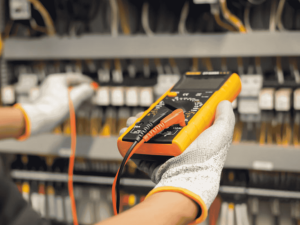
Electrical testing and tagging is a critical safety process that involves inspecting and testing electrical equipment to ensure it meets safety standards. This process is essential for identifying electrical hazards that could lead to serious accidents, including electric shocks and fires. Regular testing and tagging provide assurance that equipment is safe for use, protecting both employees and customers.

Legal Obligations

Businesses that skip electrical safety testing and tagging risk serious legal consequences. In many areas, employers are legally responsible for ensuring their electrical equipment is safe. Ignoring these regulations can lead to hefty fines, penalties, and even lawsuits.

Authorities regularly inspect businesses, and those found not following the rules may face serious consequences. These can include financial penalties and damage to their reputation, impacting their business success.

Financial Consequences

Ignoring electrical safety can be costly for businesses. Besides potential fines, they might face legal expenses, payments for injured employees, and costs for replacing faulty equipment. A fire caused by faulty electrical equipment can lead to even higher expenses, including property damage, business downtime, and increased insurance premiums. Regular electrical testing and tagging are a small price to pay compared to the potential financial risks of not doing it.

Risks of Electrical Hazards

Electrical hazards can take shape in various forms, including exposed wires, overloaded circuits, and faulty equipment. Without regular testing and tagging, these hazards can go unnoticed, creating a dangerous environment for employees. The consequences of electrical accidents can be severe, ranging from minor injuries to life-threatening situations. Understanding the risks associated with electrical hazards is essential for fostering a safe workplace.

Impact on Fire Safety

One of the most alarming consequences of failing to comply with test and tag requirements is the increased risk of fire. Electrical faults are a leading cause of workplace fires, and without proper maintenance, these fire equipment can become a significant fire hazard. Inadequate fire safety measures, such as malfunctioning fire hydrants and fire extinguishers, can further exacerbate the situation. Regular testing and tagging not only protect against electrical hazards but also contribute to overall fire safety by ensuring that all equipment functions properly in an emergency.

Employee Morale and Productivity

A safe workplace is crucial for maintaining high employee morale and productivity. When employees feel secure in their work environment, they are more likely to be engaged and productive. Conversely, a lack of safety protocols can lead to anxiety and decreased job satisfaction. If employees perceive that their safety is not a priority, it can result in higher turnover rates and reduced productivity.

Creating a Culture of Safety

By prioritising electrical test and tag compliance, businesses can cultivate a culture of safety that resonates throughout the organisation. Employees will feel valued and protected, knowing that their employer is taking the necessary steps to mitigate risks. This culture of safety not only enhances employee morale but also boosts the company’s reputation as a responsible and ethical employer.

The Role of Fire Protection Equipment

While electrical test and tag Melbourne processes are crucial, they should be part of a broader fire safety strategy that includes regular inspections of fire protection equipment. Fire extinguishers, fire hydrants, and fire alarm systems must all be regularly tested and maintained to ensure they are operational in an emergency. Neglecting this equipment can severely compromise safety and escalate the consequences of electrical hazards.

Regular Maintenance and Training

To ensure compliance with test and tag Melbourne requirements, businesses should implement a regular maintenance schedule. This includes not only testing and tagging electrical equipment but also checking fire protection systems. Additionally, employee training is vital. Workers should be educated about electrical hazards, emergency procedures, and the importance of reporting any safety concerns.

Essential Fire Safety Protocols for Every Workplace

Establishing and maintaining effective fire safety protocols is not just a regulatory requirement; it’s a crucial aspect of protecting employees and safeguarding property. By conducting thorough risk assessments, implementing preventive measures, ensuring proper equipment installation, and training employees, businesses can create a safer work environment. Regularly reviewing and updating fire safety protocols will further enhance safety and preparedness. Remember, in the event of a fire, preparation is key. So take the necessary steps today to protect your workplace and its most valuable asset: your people.

Employee Training and Awareness

Training employees on fire safety protocols is essential for creating a culture of safety within the workplace. Key training components should include fire safety awareness, which educates employees on the importance of fire safety, potential hazards, and preventive measures. Additionally, training on the proper use of fire extinguishers is crucial, including instruction on the PASS technique (Pull, Aim, Squeeze, Sweep). Finally, it is important to ensure that all employees understand the evacuation plan, including designated exit routes and assembly points.

Regular Review and Updates

Fire safety protocols should not be static; they must be regularly reviewed and updated to reflect changes in the workplace. Key considerations include assessing how changes in the environment, such as renovations or new equipment, impact fire safety. Additionally, it is vital to stay informed about any changes in fire safety regulations to ensure compliance. Establishing a feedback mechanism encourages employee input on fire safety protocols, allowing for quick addressing of any concerns and continuous improvement in safety practices.

The consequences of failing to comply with electrical test and tag requirements can be severe, affecting everything from employee safety to financial stability. Businesses that overlook these crucial safety protocols expose themselves to legal repercussions, financial losses, and diminished employee morale. By investing in regular testing and tagging, along with complete fire safety measures, organisations can create a safer work environment that protects employees and ensures compliance with legal obligations.

Remember, safety is not just a requirement; it’s an investment in the future of your business. For electrical testing and tagging in Melbourne, call Australia Fire Protection at 1300 475 715 today.

Is Your Workplace Electrically Safe? Think Again!

You arrive at your workplace, switch on the lights, and everything appears to be functioning as expected. However, is this enough? The electrical system that powers your workspace is a complex and intricate network, and without consistent maintenance and attention, it can pose significant and often hidden risks. Numerous workplaces operate with outdated or inadequately maintained electrical equipment, placing both employees and property at risk. This is where electrical testing and tagging services in Melbourne come as a saviour. With regular checkups and maintenance, you can ensure a safe workplace.

Assessing Electrical Safety

Electrical hazards are not always obvious. Faulty wiring, overloaded circuits, and malfunctioning equipment can lead to shocks, fires, and even explosions. Regular electrical testing and tagging are essential for identifying these hidden dangers before they become uncontrollable fire hazards.

Fire Protection is Not Enough

While fire extinguishers and fire safety plans are crucial, they only address the aftermath of an electrical fire. Preventing the fire in the first place requires proactive measures like regular inspections, testing, and maintenance of all electrical equipment.

Safety Measures

Beyond compliance, a strong electrical safety culture is vital. Regular training for employees on fire fighting techniques, proper use of electrical equipment, and the importance of reporting hazards can create a safer environment for everyone.

If a hazardous electrical situation cannot be eliminated, implement physical barriers to maintain a safe distance between workers and the hazardous zone. When working near electrical equipment, always exercise extreme caution and maintain a safe distance from tools or cleaning materials that can conduct electricity. These precautions align with Australian fire safety regulations and help ensure a safe working environment for everyone.

Safety Starts Today

At Australia Fire Protection, we prioritise safety in all aspects of electrical work. When dealing with electrical equipment requiring repairs, we always follow the essential steps of de-energising, locking out, and tagging the equipment before starting work.

So, don’t let complacency put your workplace at risk. Take a proactive approach to electrical safety by investing in our regular electrical testing and tagging services, ensuring fire protection systems are up to date, and fostering a culture of vigilance. By taking these steps, you can create a safer and more secure workplace for everyone. For electrical test and tag Melbourne, call us at 1300 475 715 today.

How To Use Fire Hydrant Systems for Fire Safety?

Fire hydrants are a critical component of any fire safety plan. In the event of a fire, having a functional fire hydrant system can make a huge difference. Proper use of fire hydrants can save lives and your property. When it comes to using fire hydrants, it’s best to leave them to trained firefighters. They have the expertise and equipment to handle the water pressure and direct the water stream safely and effectively. However, understanding the basics can be helpful in a fire emergency.

How To Use Fire Hydrants Used For Fire Safety?

Locate the Fire Hydrant – You must know the location of fire hydrants in your office or facility. They are located near building exits or designated fire lanes. In the event of a fire, your first step is to evacuate the building safely and call the fire department immediately.

Leave Operation to Firefighters – In case of fire, do not attempt to operate a fire hydrant yourself. Firefighters are trained professionals who can handle the pressure and ensure the water is directed effectively. If you can safely do so, inform arriving firefighters about the location of the fire and any potential hazards.

Fire Hydrant Knowledge – While you shouldn’t operate a hydrant, understanding how it functions can help communicate with firefighters.

Water Shutoff Knowledge – In some cases, knowing the location of the water shutoff valve for your building might be useful for firefighters. However, you should only operate this valve if instructed by a firefighter, as shutting off water to the entire building can have unexpected consequences.

Fire hydrants offer many benefits in the workplace, going beyond their role in public fire protection.

Enhanced Firefighting Capabilities – Just like in residential areas, fire hydrants provide a readily available high-pressure water source for firefighters. This helps to control a workplace fire more effectively, minimising damage and saving lives.

Faster Response Times – Having a hydrant on-site helps in quicker firefighting and potentially less damage to your workplace.

Reduced Insurance Costs – Many insurance companies offer lower premiums for buildings equipped with fire hydrants. It can lead to cost savings for your business. 

Compliance with Regulations – Having hydrants ensures your workplace meets fire safety regulations and avoids potential fines. 

Peace of Mind – The presence of fire hydrants offers peace of mind to both employees and employers. Knowing there’s a readily available water source for firefighting can reduce anxieties during a fire emergency.

While fire hydrants are important, they should be part of your fire safety plan that includes fire alarms, sprinkler systems, fire extinguisher Melbourne, and regular evacuation drills as well. If your workplace is prone to fire hazards, you may need fire protection measures apart from fire hydrants. Consulting with a fire safety professional is recommended. For fire emergencies, call the expert team at Australia Fire Protection on 1300 475 715 today.

What To Do Before and After a Workplace Fire?

A workplace fire can be a terrifying and disruptive event. However, by taking proactive steps beforehand and knowing how to react in the moment, you can significantly improve the safety of yourself and your colleagues. Here at Australia Fire Protection, we’re committed to workplace fire safety.This guide will equip you with the knowledge to navigate fire protection and evacuation situations.

Essential Fire Protection Steps You Need To Take

Know Your Evacuation Plan

Familiarise yourself with your workplace’s fire evacuation plan. It includes identifying all exits, designated assembly points, and specific procedures for your area. Regularly participate in fire drills to ensure everyone understands their role.

Be Aware of Fire Hazards

Identify potential fire risks in your work area. It could include flammable materials, overloaded electrical outlets, or improper chemical storage. Report any hazards to the appropriate authorities immediately.

Learn to Use a Fire Extinguisher

While evacuation is always the primary response, basic fire extinguisher training can empower you to tackle small fires in their early stages. Understanding the different types of extinguishers and how to use them effectively is crucial.

Stay Alert and Report Smoke

Don’t ignore the smell of smoke or activated fire alarms. Early detection can make a significant difference in containing a fire. Report any suspicious activity to a supervisor or designated personnel.

When the Alarm Sounds: Taking Action During a Fire

Evacuate Immediately – Don’t waste time gathering personal belongings. The priority is to get yourself and others out of the building safely. Follow the designated evacuation diagrams or emergency evacuation map and proceed to the assembly point.

Assist Others (if safe) – If you can safely help those who may need assistance, such as people with mobility limitations, do so without putting yourself at risk.

Do Not Use Elevators – Elevators can malfunction during a fire, leaving you trapped. Always use the stairs during an evacuation.

Close Doors Behind You (without locking) – Closing doors can help slow the spread of fire and smoke. However, never lock a door during an evacuation.

After the Fire: Recovering and Assessing Damage

Once at the assembly point, ensure all colleagues are accounted for. Report any missing individuals to emergency personnel. You will have to wait for firefighters to declare the building safe before re-entering. Re-entering a burning building is extremely dangerous.

Report the fire incident to the appropriate workplace authorities and call reliable fire fighting services like Australia Fire Protection.

By following these steps and prioritising fire safety in your workplace, you can significantly reduce the risk of injuries and ensure everyone gets out safely in the event of a fire. Remember, prevention is a must. Australia Fire Protection offers a comprehensive range of fire safety services, including fire extinguisher testing, fire safety training, electrical test and tag Melbourne, and much more. Contact us at 1300 475 715 today to discuss how we can help keep your workplace safe.

Know What To Do In A Fire Emergency

Fire accidents can happen anytime. And, when there is a fire emergency, immediate action is crucial as every second counts. Being prepared and knowing what actions to take can significantly mitigate risks to safety and property. For any business, integrating fire protection strategies, including electrical test and tag Melbourne, into a comprehensive fire emergency management plan is crucial. This blog explores essential steps to effectively respond to a fire emergency to ensure the safety of all individuals involved.

Immediate Actions to Take During a Fire

Evacuate Safely

As soon as there is a fire, you must prioritise immediate and safe evacuation. Follow the pre-established evacuation plan, using the nearest exits. Remember to remain calm and assist others, especially those who are vulnerable or less mobile.

Alert and Communicate

Sound the fire alarm if it hasn’t been triggered already. Once all are safe, call professional and reliable fire protection services like Australia Fire Protection immediately. Provide them with specific details about the location and nature of the fire.

Use Fire Extinguishers If Trained

If the fire is small and contained and you have been trained; use a fire extinguisher to combat the fire. Ensure that you are not putting yourself or others in danger while doing so.

Long-Term Fire Safety Practices

Conduct regular fire drills to ensure everyone knows what to do in case of an emergency. Drills can help identify weaknesses in your evacuation plans, providing an opportunity to refine it.

Electrical Test And Tag All Safety Equipment

Regularly test and tag all fire safety equipment, including fire extinguishers, smoke alarms, and sprinkler systems. Electrical testing and tagging should be conducted to ensure all electrical devices are safe and not at risk. On top of all, every business should have a detailed fire emergency management plan that includes evacuation routes, roles and responsibilities, and safety protocols.

Understanding what to do in a fire emergency is essential for maintaining safety and minimising damage. Regular training, proper safety practices like electrical test and tag, and a well-crafted fire emergency management plan are components of effective fire emergency management.

By preparing in advance and ensuring compliance with fire protection guidelines, businesses can protect their employees, customers, and assets from the devastating impacts of fire. If you need emergency fire fighting service in Melbourne, call Australia Fire Protection at 1300 475 715 today.

How Often Should You Get Your Electrical Appliances Tested And Tagged?

Certainly! The frequency of electrical test and tag procedures for electrical equipment varies based on the type of environment and the risk associated with the equipment’s usage. The relevant Australian Standard, AS/NZS 3760:2010, provides guidelines on how often testing should be conducted. Here’s a detailed overview:

Frequency of Test and Tag

1. High-Risk Environments:

  • Construction, Demolition, and Mining Sites:
    • Every 3 months: Equipment used in these environments is subjected to heavy use and harsh conditions, increasing the risk of wear and tear.
  • Factories, Workshops, and Manufacturing Plants:
    • Every 6 months: These environments often involve the use of machinery and tools that can be hazardous if not properly maintained.

2. Medium-Risk Environments:

  • Laboratories and Service Workshops:
    • Every 12 months: Equipment in these settings may not be as heavily used as in high-risk environments, but regular testing is still essential to ensure safety.
  • Commercial Kitchens and Food Processing Facilities:
    • Every 12 months: Electrical appliances in these areas are frequently used and exposed to moisture and other elements, necessitating regular checks.

3. Low-Risk Environments:

  • Offices and Retail:
    • Every 5 years: Office and retail environments typically involve less intensive use of electrical equipment, but testing is still necessary to ensure long-term safety.
  • Portable Equipment:
    • Every 12 months: Even in low-risk environments, portable equipment that is frequently moved or used in different locations requires more regular testing to ensure it remains safe.

Specific Guidelines Based on Equipment Type

  • Portable RCDs (Residual Current Devices):
    • Every 3 months: RCDs provide additional safety by cutting off electricity in case of a fault. Frequent testing ensures they function correctly when needed.
  • Fixed RCDs:
    • Every 6 months: Although fixed RCDs are less likely to be moved or damaged, regular testing is crucial to verify their reliability.

Visual Inspections

In addition to formal testing intervals, regular visual inspections should be conducted by users. Any signs of damage, wear, or malfunction should be reported and the equipment should be tested immediately.

Factors Influencing Testing Frequency

1. Manufacturer’s Recommendations:

  • Always consider the manufacturer’s guidelines for testing and maintenance, as they may provide specific instructions based on the equipment’s design and intended use.

2. Usage Patterns:

  • The more frequently and intensively equipment is used, the more often it should be tested. For instance, equipment used around the clock or in multiple shifts requires more frequent testing.

3. Environmental Conditions:

  • Harsh environments, such as those with high humidity, extreme temperatures, or exposure to chemicals, necessitate more frequent testing to account for the increased risk of equipment deterioration.

Legal and Safety Considerations

  • Compliance with Standards: Adhering to AS/NZS 3760:2010 ensures compliance with legal requirements and promotes workplace safety.
  • Record Keeping: Maintain detailed records of all testing and tagging activities, including test dates, results, and next scheduled tests. This documentation is essential for compliance audits and safety reviews.

Conclusion

The frequency of test and tag procedures is dictated by the risk level associated with the equipment’s use and the environment in which it operates. High-risk environments require more frequent testing, while low-risk settings can have longer intervals between tests. Regular visual inspections and adherence to the manufacturer’s recommendations are also critical. By following these guidelines, you can ensure the safety and compliance of your electrical equipment.

If you need emergency fire fighting services or fire safety and protection, contact the team at Australia Fire Protection. For fire emergencies, call us at 1300 475 715 today.

MORE POST IN SAME CATEGORY

Why Electrical Testing And Tagging Services Are Ideal For Small Businesses?

For small businesses, keeping electrical equipment safe and running smoothly is important. Regular electrical testing and tagging help prevent electrical problems and fires. This can save money on repairs and insurance, and it helps keep employees safe. It also plays a pivotal role in day-to-day operations. Electrical test and tag Melbourne services emerge as a critical aspect of maintaining this safety and efficiency, providing a shield against potential electrical hazards. These services not only safeguard businesses against the risk of fire emergencies but also ensure compliance with safety standards, thereby contributing to overall fire protection and fire emergency management. 

Understanding Electrical Testing and Tagging

Electrical testing and tagging is a process where electrical appliances are inspected and tested for safety and functionality. This preventive measure is essential for identifying potential issues before they escalate into serious problems, such as electrical fires, which could have devastating effects on small businesses.

Regular Inspection

By implementing a regular test and tag schedule, businesses can maintain a safe working environment, minimise the risk of electrical accidents, and extend the lifespan of their electrical equipment.

Compliance and Peace of Mind

Compliance with local and national safety standards is non-negotiable for businesses of all sizes. Electrical testing and tagging services ensure that small businesses adhere to these regulations, avoiding hefty fines and legal complications. Moreover, it provides peace of mind to business owners, employees, and customers, knowing that the business is proactive in its approach to safety.

Cost-Effectiveness and Efficiency

For small businesses, managing expenses is crucial. Investing in these services can be cost-effective in the long run, preventing expensive repairs, downtime, and potential litigation costs associated with electrical failures. Regular maintenance and safety checks can also improve the efficiency of electrical equipment, leading to reduced energy costs and increased productivity.

Safety & Responsibility

Electrical test tag services are not just an operational necessity but a strategic investment in the safety, compliance, and efficiency of small businesses. By prioritising these services, businesses not only protect themselves against the risks of fire emergencies but also contribute to a culture of safety and responsibility.

Implementing a comprehensive fire emergency management plan Melbourne is essential for the well-being of any business, its employees, and its customers. Engaging with professional fire protection services like Australia Fire Protection ensures that small businesses can thrive in a safe and compliant space, securing future and fostering a safer community. To learn more about service, call us at 1300 475 715 today.

MORE POST IN SAME CATEGORY

When To Use A Fire Blanket?

Fire safety is an essential aspect of ensuring the well-being of individuals and the preservation of properties. Among various fire protection equipment, fire blankets offer a simple yet effective solution for certain types of fires. Understanding when to use a fire blanket is crucial in maximizing fire safety and protection. In today’s blog, we’ll explore the applications of fire blankets, brought to you by Australia Fire Protection, your trusted partner in fire safety management.

What is a Fire Blanket?

A fire blanket is a fire protection tool made of fire-resistant materials designed to extinguish small fires at their initial stages. It operates by smothering the flames, cutting off the fire’s oxygen supply, and ultimately putting it out. Suitable for residential and commercial settings, fire blankets are an integral part of comprehensive fire safety management strategies.

Ideal Situations for Fire Blanket Use

Kitchen Fires

The most common use for fire blankets is in the kitchen, where they can be employed to extinguish fires caused by cooking oil or equipment. Unlike fire extinguishers, which can spread the flames of oil fires, fire blankets smother the fire without creating a mess.

Personal Fire Protection

In scenarios where clothing catches fire, wrapping the individual in a fire blanket can quickly extinguish the flames, preventing severe injuries.

Electrical Fires

For small electrical fires, such as those in appliances or wiring, a fire blanket can be a safer alternative to water-based fire extinguishers, which carry the risk of electrocution.

Fire blankets are a versatile fire protection tool that should be readily available alongside fire extinguishers in homes and workplaces. Knowing when to use them is required to effectively respond to fires and enhance fire safety training.

Australia Fire Protection recommends incorporating fire blankets into your fire safety management plan, ensuring you’re prepared for emergencies. Remember, having the right knowledge and equipment are your best defense against fire.

By understanding what fire blankets are for and how to use them properly, you can be better prepared to handle small fires and potentially prevent them from escalating into larger emergencies. To know more about this, call us at 1300 475 715 today.

MORE POST IN SAME CATEGORY

Fire Safety Training – Why It Is Crucial For Employees?

Regardless of a business’s size or type, the risk of a fire incident always exists. When it comes to workplace safety, fire safety emerges as a pivotal aspect that cannot be overlooked. So, employers must provide fire safety training to all employees. Fire safety training plays an instrumental role in ensuring the well-being of employees and the preservation of assets. In today’s blog, we’ll delve into the importance of fire safety training, emphasising why it’s crucial for employees across various sectors.

Understanding Fire Safety

Fire safety is a set of practices aimed at reducing the destruction caused by fire. It encompasses everything from fire protection strategies to emergency response procedures. The goal is to create a safe environment where the risk of fire is minimised and, in the event of a fire, to ensure that everyone knows how to respond effectively.

The Importance of Fire Safety Training

Fire safety training is not just a regulatory requirement; it’s a fundamental aspect of ensuring a safe workplace. Here are the reasons why fire safety training is crucial for employees:

Enhances Awareness

Fire safety training raises awareness among employees about fire hazards that could be present in their workplace. This knowledge is crucial for identifying potential fire risks and taking fire risk management Melbourne to mitigate them.

Prepares Employees for Emergencies

In the event of a fire, prompt action is essential. Well-trained employees can react swiftly and correctly, which can significantly reduce the impact of a fire. Training provides employees with the skills to use fire extinguishers properly, and follow emergency procedures.

Promotes Safety

Regular fire safety training fosters a culture of safety within an organization. It emphasizes the importance of safety in the workplace and encourages employees to take responsibility for their safety and that of their colleagues.

Compliance with Legal Requirements

Fire safety training is often mandated by law. Ensuring that employees undergo regular fire emergency management plan Melbourne techniques helps organisations comply with these legal requirements, avoiding potential fines and legal issues.

Protects Lives and Property

Ultimately, the most compelling reason for fire safety training is the protection it offers. It not only safeguards the lives of employees but also helps protect property by reducing the likelihood of fires and minimising damage if they do occur.

Fire safety training is an essential component of a comprehensive fire protection strategy. It equips employees with the knowledge and skills they need to prevent fires and respond effectively in emergencies. Remember, when it comes to fire safety, hire the team at Australia Fire Protection at 1300 475 715 today.

MORE POST IN SAME CATEGORY